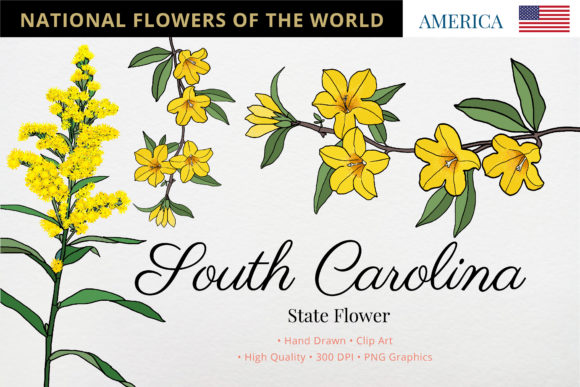
The Golden Symbolism of South Carolina: From Yellow Jessamine to Goldenrod
In the world of state symbols, flowers hold a unique place. They are living emblems of a region's natural beauty, history, and character. South Carolina, a state renowned for its lush gardens and temperate climate, boasts not one but two official floral representatives: the delicate Yellow Jessamine as the state flower and the vibrant Goldenrod as the state wildflower. Together, they paint a picture of the Palmetto State's landscape and legacy, a story intertwined with art, culture, and commerce in the modern world.
South Carolina's State Flower: The Yellow Jessamine
Designated in 1924, the Yellow Jessamine (Gelsemium sempervirens) is a fragrant, climbing vine that blankets fences, trees, and roadside areas across the state with its cheerful golden-yellow blossoms in early spring. Its selection was a natural one, reflecting its pervasive presence and visual impact. Beyond its beauty, the Jessamine carries historical weight. Its image is woven into the state's identity, appearing on official documents and representing South Carolina in national floral collections like the National Flowers of The World Collection and the Flowers State of America compilations.
However, a common misunderstanding surrounds this plant. While stunning and symbolic, the Yellow Jessamine is poisonous. All parts of the plant contain toxic alkaloids. This serves as an important reminder that nature's beauty can sometimes be deceptive, and it underscores the need for respectful awareness even of our most cherished symbols. Its practical relevance today is largely aesthetic and cultural, inspiring artists and gardeners while reminding citizens of their shared natural heritage.
The State Wildflower: South Carolina's Goldenrod
In 2003, the Goldenrod (Solidago altissima) was designated as South Carolina's official state wildflower. This choice highlights the state's commitment to recognizing its native ecosystems. Goldenrod, often seen flourishing in fields and along highways in late summer and fall, is a crucial plant for pollinators, providing essential nectar for bees and butterflies. Its designation helps promote the conservation of native habitats and educates the public on the importance of local biodiversity.
Interestingly, Goldenrod is frequently and incorrectly blamed for causing hay fever. This is a widespread assumption. The true culprit during its blooming season is usually ragweed, which blooms concurrently but has less conspicuous flowers. Clarifying this fact helps protect Goldenrod's reputation and encourages its appreciation as an ecologically beneficial and unfairly maligned native plant.
Floral Symbols in Modern Life and Creativity
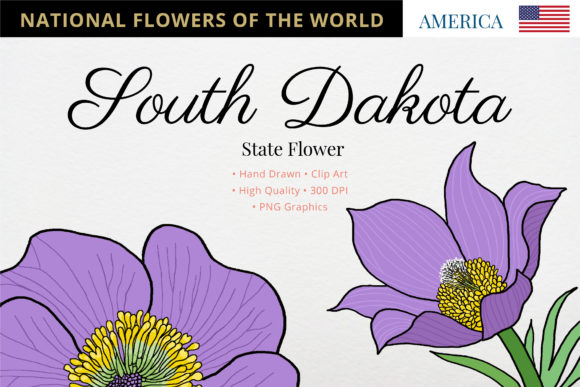
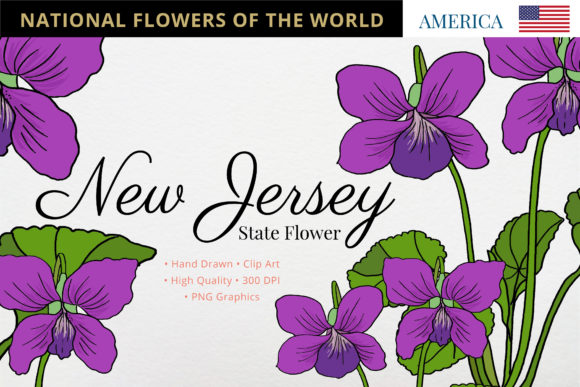
State flowers like South Carolina's Jessamine and Goldenrod transcend their botanical roles. They become integral to design, branding, and creative expression. Consider the phrase "This Collection Of Floral Drawings is 1 in My International Collection of Floral Drawings. I Wish You Happiness in The Flower Garden of My Love." This evokes the emotional and artistic potential these symbols hold. High-quality digital renderings of these flowers, suitable for art prints, print on demand, logos, invitations, and greeting cards, allow their symbolism to permeate daily life.
In business, a logo incorporating the Yellow Jessamine can instantly signal a connection to South Carolina, appealing to local pride and heritage. In education, these flowers serve as accessible entry points for lessons on botany, state history, and environmental stewardship. Their incorporation into creative projects—leveraging high-quality, 300 DPI PNG graphics with dimensions up to 2500 x 2500 px—means that anyone, from a graphic designer to a small business owner, can utilize these iconic images to add authenticity and local flavor to their work.
Building a Broader Understanding: Flowers as Cultural Connectors
Examining South Carolina's floral emblems within the broader context of collections like the National Flowers of The World Collection reveals a global tapestry of natural symbolism. Each state flower or national flower tells a story about a place's climate, history, and values. For the general reader, understanding the Yellow Jessamine and Goldenrod is not just about learning two plant names; it's about recognizing how communities choose to represent themselves through nature.
This practice fits seamlessly into modern life where authenticity and locality are prized. From the tourism industry using the Jessamine in marketing materials to a schoolchild drawing the Goldenrod for a science project, these flowers function as cultural connectors. They provide a common visual language that fosters shared identity and appreciation for the local environment.
From Garden to Graphic: The Practical Journey of a State Flower
Let's follow an example to see this journey in action. An artist, inspired by the early spring bloom of the Yellow Jessamine in a Charleston garden, creates a detailed digital drawing. They ensure it is a high-quality, 300 DPI image to preserve every detail. This single artwork then becomes a versatile asset in the digital economy.
- It can be sold as an art print to a homeowner wanting to decorate with a symbol of their state.
- It can be licensed for use on a greeting card sold by a local stationery company.
- It can be incorporated into a logo for a new South Carolina-based tea company, evoking natural purity and local roots.
- It can be used in an educational website or pamphlet about state symbols for students.
This path from a living vine in a garden to a pixel-perfect graphic on a product illustrates the practical relevance of these symbols in today's interconnected world of work, creativity, and technology.
Common Threads and Enduring Significance
While distinct in form and season, both the Yellow Jessamine and the Goldenrod share key symbolic threads for South Carolina. Both are native plants, reflecting a pride in the state's indigenous landscape. Both are notably golden in color, perhaps unintentionally symbolizing the state's historical nickname, "The Palmetto State," with its own warm, golden hues. Their dual designation—one as the cultivated state flower and one as the wild state wildflower—showcases a balanced appreciation for both garden beauty and untamed nature.
Their enduring significance lies in this duality. They remind us that our connection to place is often rooted in the natural world. They provide a bridge between past and present, between the physical landscape and digital expression. Whether you encounter the Yellow Jessamine winding through a historic garden, see the Goldenrod brightening a fall meadow, or utilize a digital drawing of either for your next creative project, you are engaging with a living piece of South Carolina's identity—a symbol that continues to grow, bloom, and inspire.