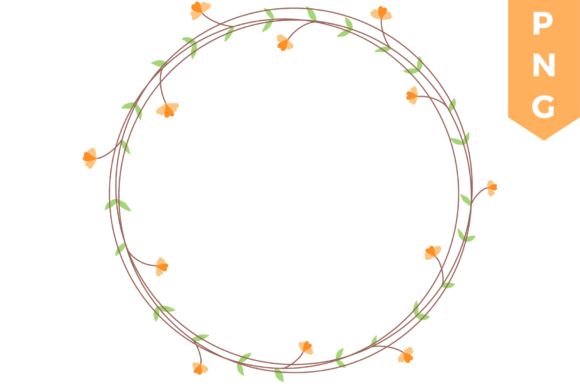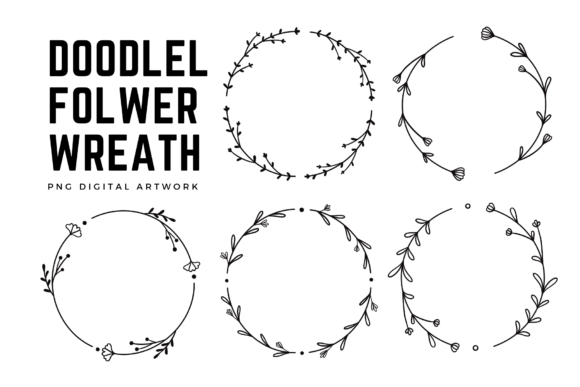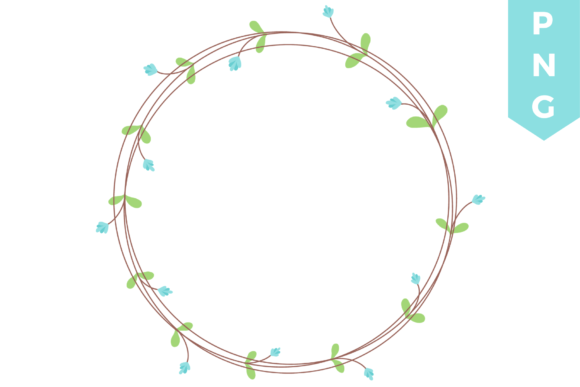
Understanding Blue Doodle Flower Circle: A Resource for Creative Work
The world of creative assets is rich with visual tools that simplify and enhance project workflows. Among these resources, items like a Blue Doodle Flower Circle or a set of hand drawn doodle flowers serve as versatile foundations. These botanical clipart PNG files, characterized by their transparent backgrounds and accessible formats, occupy a unique space in digital and physical design. Their utility spans from professional branding to personal craft, making them relevant to a diverse group of users.
Core Characteristics of Doodle-Based Botanical Clipart
When discussing these resources, it is essential to begin with their intrinsic properties. These are typically distributed as PNG files, a format that supports transparency. This means the image data includes an alpha channel, allowing the floral elements to exist without a white or colored rectangular box behind them. This technical feature is the primary driver of their flexibility.
A collection like this often features a deliberate artistic style. Hand drawn doodle flowers imply a certain aesthetic: lines might be intentionally sketch-like, uneven, or playful. Colors, such as the specific blue in a circular floral arrangement, are often chosen for their visual impact and emotional resonance—blue can convey calm, trust, or creativity. The doodle quality suggests approachability and originality, distancing the art from rigid, vector-perfect illustrations.
The botanical theme anchors the artwork in nature-inspired motifs. Leaves, stems, petals, and whole blossoms are rendered in a way that is recognizable yet stylized. This provides a ready-made connection to concepts of growth, beauty, and organic processes, useful in many messaging contexts.
The Practical Advantage of Transparent PNG Files
The practical understanding of these assets hinges on their file format. PNG files with transparent backgrounds can be opened and manipulated with most graphic software, from industry-standard suites like Adobe Photoshop or Illustrator to free or online tools like Gimp or Canva. This universal compatibility lowers the barrier to entry for users at all skill levels.
Because the background is not part of the image, the flower circle or individual doodles can be placed directly onto any other visual layer. This eliminates the need for complex cropping or masking by the end user. For instance, a designer can drag a blue floral circle PNG onto a website header background, a textured paper image for a card, or a photograph of a t-shirt mockup, and it will integrate seamlessly. This efficiency is a significant consideration for anyone working under time constraints or with limited technical expertise in image editing.
Primary Use Cases and Real-World Applications
The real-world relevance of these clipart sets is demonstrated by their application across numerous fields. The list is extensive because the core asset is so adaptable.
- Logo Design: A Blue Doodle Flower Circle can serve as a central motif for a brand, especially one in industries like wellness, eco-friendly products, boutique retail, or creative services. Its hand-drawn feel can communicate a boutique, personal, or artisanal brand identity.
- Product Design: The images can be applied directly to physical products. This includes printing on t-shirts, mugs, glassware, tote bags, or stationery. The transparent background allows the design to sit cleanly on the product material without requiring a rectangular print area.
- Printed Paper Items: This is a classic application. Invitations, greeting cards, wedding stationery, business card accents, and packaging labels benefit greatly from ready-to-use floral art. A hand drawn doodle flower can provide a charming border or a focal point without the cost of commissioning custom illustration for each project.
- Digital Website Designs: Web designers use these PNGs as graphical elements to break up text, create custom icons, or enhance page headers. Their lightweight nature (compared to complex illustrations) helps maintain site performance.
- Educational Materials: Teachers and content creators might use botanical clipart to decorate worksheets, presentations, or online learning modules, making content more engaging visually.
- Marketing Collateral: Social media graphics, email newsletter banners, and promotional flyers often incorporate such elements to add color and a friendly, organic touch.
These examples show that the asset’s value is not in being a single-use item but a reusable component that adapts to the project’s needs.
Considering the Audience: From Hobbyists to Professionals
The broad audience for these resources engages with them at different levels of intensity. A hobbyist engaged in card making or occasional craft projects might value the simplicity and immediate usability. They can download a PNG, place it in a simple document editor or basic design tool, and achieve a professional-looking result without years of artistic training.
For professionals—graphic designers, web developers, product designers—the botanical clipart PNG files act as efficient starting blocks or supplemental elements. They can accelerate a project's initial visual phase or provide consistent thematic elements across a campaign. A designer might use a blue flower circle as a base, then modify its color, add text, or combine it with other assets to create a unique composite work, all while saving time on the initial drawing.
Business owners, particularly those in small or creative enterprises, can use these assets to develop their own branded materials when budgets for full-scale custom design are limited. The observation here is that these files democratize design to some extent, offering quality visual components at an accessible point.
Workflow Integration and Best Practices
Implementing these assets into a creative workflow requires some straightforward considerations. First is sourcing: users should obtain files from reputable providers to ensure high resolution and clean transparency. A low-resolution PNG with jagged transparency edges will degrade the final product quality.
Once acquired, organization is key. Professionals might catalog such files by style, color, or theme within their digital asset libraries. For any user, understanding the licensing terms is crucial. Many such clipart items are offered under royalty-free licenses for personal and commercial use, but checking specifics is necessary to avoid legal complications.
In the actual design process, the advantage of the transparent PNG is fully realized when working with layers. Placing the floral element on a layer above the background allows for easy repositioning and scaling. Users should also be mindful of color harmony—the specific blue of the flower circle should complement, not clash with, the other colors in the project.
Trends and Evolution in Digital Clipart Usage
The demand for and nature of such assets evolve with broader design trends. Currently, the preference for hand-drawn and doodle-style art aligns with a cultural trend towards authenticity and human touch in digital spaces. In contrast to ultra-polished, geometric design, doodle flowers suggest creativity, individuality, and a less corporate feel.
Furthermore, the need for versatile, multi-platform assets has grown. A single PNG file that works for a wedding card, a website, and a t-shirt print aligns perfectly with the cross-media requirements of modern branding and personal projects. This trend towards asset reusability across print and digital mediums makes these botanical PNGs particularly relevant.
Another observation is the increasing sophistication of free and low-cost graphic software. As these tools become more powerful, the value of a well-made, transparent PNG as a raw ingredient increases, because users have greater capacity to manipulate and combine it effectively.
Final Observations on Value and Selection
The usefulness of a resource like a Blue Doodle Flower Circle set ultimately lies in its combination of aesthetic specificity and technical generality. It provides a particular look—botanical, hand-drawn, blue-toned—while being delivered in a universally applicable format. This bridges the gap between having a custom-made illustration for every single need and using utterly generic, sterile graphics.
When selecting such assets, users should consider not only the immediate visual appeal but also the technical quality. File resolution should be high enough for the intended use (e.g., 300 DPI for print, adequate pixel dimensions for web). The transparency should be clean, with no residual white pixels around the edges of the drawn flowers. The licensing should be clear and match the project's scope.
In conclusion, these floral doodles and botanical clipart PNG files are more than just decorations. They are practical tools that enable a wide spectrum of individuals and professionals to incorporate quality, themed artwork into their work efficiently and effectively. Their relevance is tied directly to their design characteristics and the practical benefits of the PNG format, making them a persistent and helpful resource in the creative landscape.