The Versatile Charm of Botanical Color Hand Drawn Clipart for Creative Projects
For designers, crafters, and content creators seeking visual elements that combine organic beauty with practical flexibility, Botanical Color Hand Drawn Clipart presents a compelling resource. Unlike rigid vector graphics or hyper-realistic stock photography, this category of digital art offers a specific aesthetic and functional profile. Understanding its distinct characteristics, how it compares to other available assets, and its ideal applications is key to determining whether it aligns with your project's needs.
Defining the Hand-Drawn Botanical Style
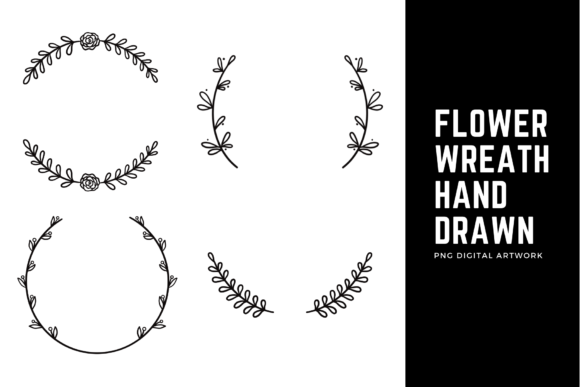
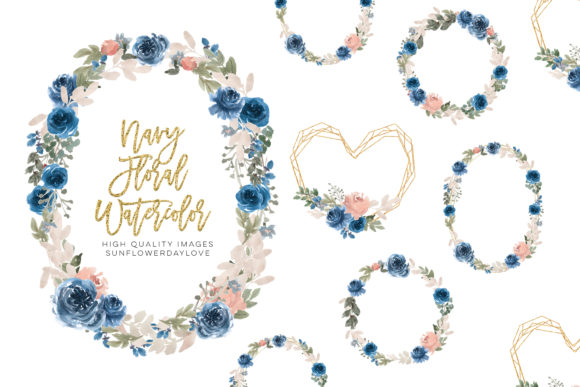
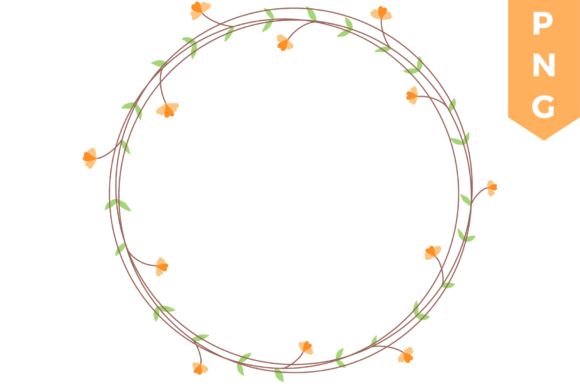
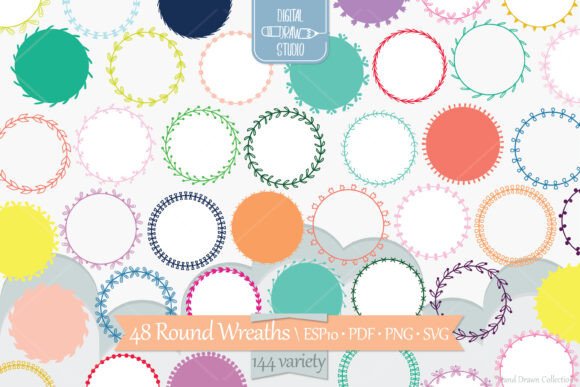
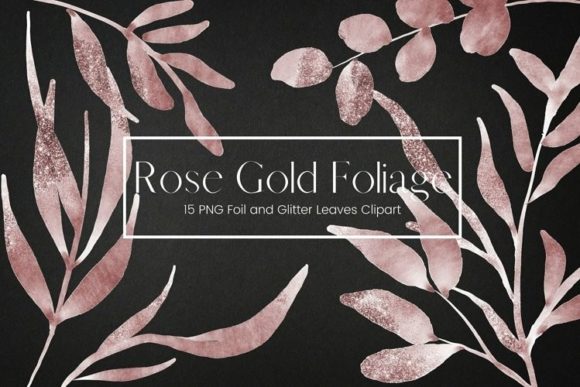
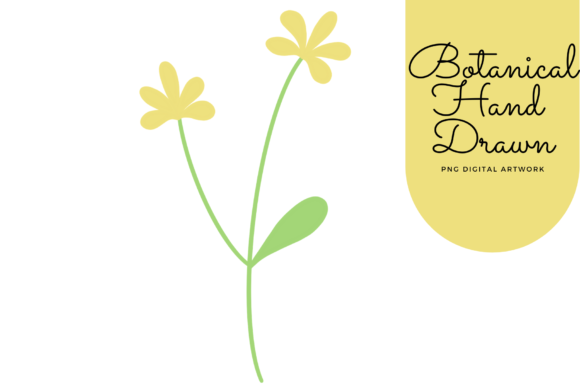
Botanical Color Hand Drawn Clipart typically refers to digital illustrations of flowers, leaves, stems, and related natural elements. The "hand-drawn" descriptor is crucial; it indicates an artistic style that embraces the imperfect lines, varied stroke weights, and subtle textures reminiscent of sketching with pen, pencil, or brush. This results in artwork that feels personal, whimsical, and approachable, contrasting with the geometric precision of computer-generated vectors or the clinical detail of scientific botanical drawings.
The "color" aspect signifies that these pieces are fully rendered, often with soft, muted, or vibrant palettes that enhance the organic feel. The final deliverable is usually a PNG file with a transparent background at a high resolution, such as 300 dpi. This format allows the isolated artwork to be placed seamlessly over any other background in your design composition, a fundamental technical advantage for diverse applications.
Core Strengths and Primary Use Cases
The primary appeal of Botanical Color Hand Drawn Clipart lies in its balance of artistic character and utility. Its hand-crafted appearance can inject warmth and originality into projects that might otherwise feel sterile or templated. For logo design, especially for businesses in wellness, crafts, boutique retail, or eco-friendly sectors, a single, well-chosen floral element can form the basis of a memorable and brand-appropriate mark. The transparent PNG format ensures it can be integrated cleanly into a logo layout without requiring complex masking.
In product design, these assets translate well to physical goods. The 300 dpi resolution is suitable for printing on items like t-shirts, glassware, greeting cards, or packaged paper goods. The color and detail hold up at print scale, while the style often resonates with consumers looking for products with a "maker" or artisanal vibe. For digital applications—website designs, social media graphics, or app interfaces—the clipart offers ready-made, cohesive visual components that can speed up design workflows without sacrificing a custom look.
Key Practical Benefits
- Atmospheric Flexibility: The style can be adapted to suit rustic, romantic, modern, or playful tones depending on the color palette and line work of the specific clipart set.
- Ease of Integration: The PNG with transparent background functions as a design "sticker," easily layered into existing layouts using most standard graphic software.
- Time Efficiency: Provides high-quality, finished botanical art without the time investment of creating illustrations from scratch.
- Consistency: Using clipart from a single collection can grant a project a unified visual theme.
Trade-offs and Comparisons with Alternative Resources
While Botanical Color Hand Drawn Clipart is versatile, it is not a universal solution. Evaluating it against other common resources clarifies its best-fit scenarios.
Compared to vector graphic illustrations (often in SVG or AI format), hand-drawn PNG clipart offers less inherent scalability. Vector graphics can be resized infinitely without loss of quality and are easily edited path by path. A PNG, while high-resolution, is ultimately a raster image. Enlarging it well beyond its intended size may lead to pixelation. The trade-off is style versus flexibility: the hand-drawn aesthetic is difficult to replicate authentically with vector tools, while vectors offer more technical control for extensive modification.
Against licensed stock photography of real flowers, the clipart provides a stylized interpretation rather than realism. Photography might be necessary for projects demanding literal authenticity. However, clipart avoids potential issues with photo licensing, model releases, or background removal, and it more readily fosters a cohesive illustrated brand identity across multiple mediums.
Another alternative is creating custom illustrations. This route guarantees perfect alignment with your vision but requires significant skill, time, or budget to commission an artist. Botanical Color Hand Drawn Clipart sits as a middle-ground—offering a curated, professional artistic style at a typically lower cost and immediate availability, though with less unique customization.
Considerations for Digital Versus Physical Use
For purely digital use (website, online ads), lower resolution clipart might sometimes suffice, but the 300 dpi specification ensures preparedness for any future print need. For physical applications, the 300 dpi is a critical minimum for quality output. It’s important to verify the actual dimensions of the PNG file; a 300 dpi image that is only 2 inches wide on screen will not print well on a large t-shirt. Understanding both the resolution and the physical pixel dimensions is part of making an informed selection.
When It’s the Right Choice, and When to Look Elsewhere
Botanical Color Hand Drawn Clipart is often an excellent fit when your project priorities lean towards a specific artistic tone, rapid implementation, and cross-medium consistency. It works well for entrepreneurs or small businesses building a brand identity from a suite of matching assets. It’s equally valuable for hobbyists in card making or invitations, where a single PNG can be the decorative centerpiece of a handmade item.
You might consider another option if your project requires:
- Extreme Scalability: If you need a logo that must work from a business card to a billboard with perfect crispness, a vector-based solution is more technically robust.
- Absolute Realism: For a scientific publication, a gardening catalog, or a project where photographic accuracy is paramount.
- Deep Customization: If every curve, color, and leaf shape must be unique and editable at a fundamental level, custom illustration or vector art allows that granular control.
- Animation or Interactivity: PNGs are static images. For animated floral elements or interactive SVG graphics on a website, vector formats are more suitable.
Making a Balanced Decision
The decision to use Botanical Color Hand Drawn Clipart hinges on aligning its stylistic output and practical format with your project's goals, timeline, and technical demands. Assess the emotional tone you wish to convey: the hand-drawn style communicates creativity, care, and a human touch. Evaluate your production process: the ready-to-use PNG format can streamline design stages. Finally, consider your output spectrum: if you need assets that transition seamlessly from digital screens to printed paper items and even to physical products like t-shirts or glass, a high-resolution PNG with a transparent background is fundamentally designed for that role.
By understanding its distinct position—not as a replacement for all graphic resources, but as a specialized tool with particular charms and capabilities—you can confidently determine when this type of clipart is the resource that will bring your floral design vision to life most effectively.