The Plant in a Pot Perfect for Design: A Strategic Visual Asset
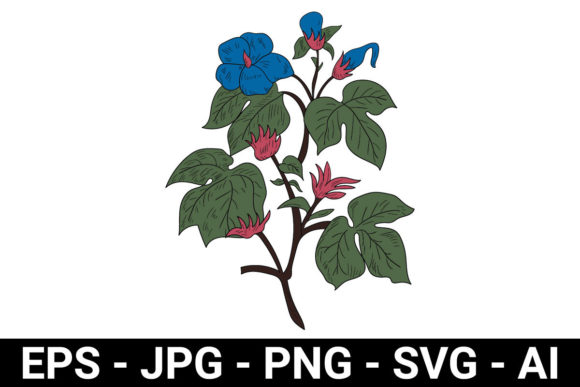
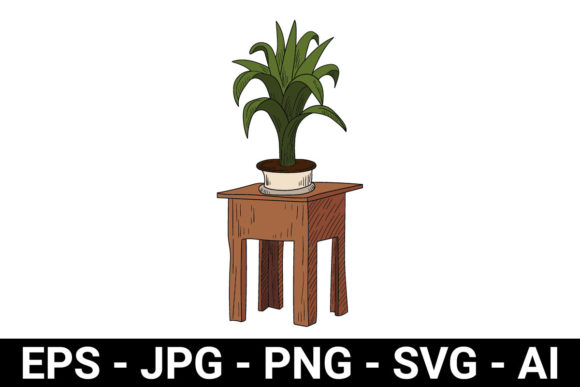
The visual communication landscape is dense and competitive. For entrepreneurs, marketers, creators, and professionals across a spectrum of industries, the choice of imagery is not merely decorative—it is strategic. The Plant in a Pot Perfect for Design represents more than a collection of horticultural clipart; it is a versatile visual toolkit designed for intentional application. This curated ZIP folder, containing AI, EPS, SVG, PNG, and JPG files across themes like vintage, clean, artistic, tropical, and isolated, offers a foundation for consistent, high-quality visual narratives. Understanding its potential as a strategic asset, rather than just a set of pictures, is key to leveraging it for better results.
Defining Strategic Utility: Beyond Generic Decoration
Why might a specific, high-quality set of plant and pot imagery be strategically useful? In a digital environment saturated with generic stock photos, unique and cohesive visual elements become critical for differentiation. The Plant in a Pot Perfect for Design project provides a unified aesthetic—clean, botanical, often isolated—that can serve as a recurring motif across multiple touchpoints. This consistency supports brand recognition, reduces the cognitive load on your audience, and establishes a subtle but professional tone. For a small business owner crafting a website, a blogger developing a series of posts, or an educator designing course materials, having a dedicated library of compatible images streamlines production and enhances visual coherence.
Aligning Visual Assets with Clear Objectives
The thoughtful use of this asset begins with alignment. Before deploying any floral vector or potted plant illustration, consider the primary goal of the project it supports. Is it to communicate growth and natural processes in a corporate report? To evoke a sense of calm and beauty in a wellness app’s interface? To provide clean, unambiguous decorative elements for a product manual? Each file type in the folder—from scalable vectors (AI, EPS, SVG) for logo adaptation or large-format printing to ready-use raster files (PNG, JPG) for digital platforms—serves a distinct purpose. Choosing the correct format and style is a practical decision that impacts both the quality of the output and the efficiency of the workflow.
Practical Applications and Planning Considerations
Exploring realistic use cases clarifies the value. Consider a freelance graphic designer tasked with creating a brand identity for a new gardening startup. The Plant in a Pot Perfect for Design vector files (SVG, AI) provide a foundational natural element that can be modified, colored, and integrated into a logo system, ensuring the core iconography is both original and professionally rendered. For a marketing professional developing a social media campaign around "sustainable growth," the isolated PNGs with transparent backgrounds offer quick, beautiful assets for creating posts and ads without the need for complex photo editing.
Planning tips emerge from these scenarios. First, audit the folder thoroughly. Understand the range of styles—from vintage to clean—and the specific imagery available (leaves, tropical trees, flowerpots). Create a mental or physical catalog linking assets to potential projects. Second, establish usage rules. Decide if a particular botanical illustration style will be your primary visual voice, or if you will use the variety contextually. This prevents random, inconsistent application.
The Risks of Context-Free Use
Like any tool, using the Plant in a Pot Perfect for Design without clear goals or context carries risks. The most significant is visual dissonance. Placing a vibrant, tropical vector into a project aiming for a minimalist, clean aesthetic can confuse the audience and dilute the message. Another risk is over-reliance. While the folder provides excellent assets, it should not completely replace custom photography or illustration where unique authenticity is required. For instance, a real estate website might benefit from these decorative elements in blog graphics, but its property listings should feature actual photos. The key is intentional integration, not wholesale replacement.
A Framework for Intentional Integration
How then do we move from random use to intentional use? Develop a simple framework. Start with the project’s core message and tone. Next, select from the asset folder only those images that amplify that message. A project about growth might leverage the imagery of a small plant in a pot evolving into a larger tree. A project emphasizing stability and nature might use the consistent, wood-textured pot illustrations. Then, consider the technical requirements: is this for web (PNG, JPG) or for print and scalable design (EPS, SVG)? Finally, apply consistently, using similar styles across related materials to build a visual sub-language.
Strategic observations here are crucial. Notice that the isolated nature of many images makes them exceptionally useful for layering and composition in more complex graphics. The artistic and picture styles can serve as focal points, while the more graphic, flat styles can act as patterns or backgrounds. This versatility allows one asset folder to serve multiple roles within a single project hierarchy, from primary hero images to subtle decorative borders.
Supporting Long-Term Branding and Operations
For long-term results, particularly in branding and operational efficiency, this curated asset proves valuable. A consistent visual library reduces the time spent searching for disparate, often license-unclear stock images. It mitigates the risk of stylistic drift over time as different team members create materials. For customer experience, a recognizable and pleasant visual theme—built around these quality houseplant and garden illustrations—can make interfaces, instructions, and communications feel more welcoming and coherent. It’s a subtle investment in professional polish.
Decision-making guidance rests on a simple principle: use the Plant in a Pot Perfect for Design where it enhances clarity, consistency, and aesthetic quality without becoming the sole subject. It is a supporting asset. For a publication, it might be perfect for section headers or article feature images. For a product line, it could provide the decorative elements for packaging flats. It fills the gap between generic, overused stock and expensive custom illustration, offering a strategic middle path for professionals who need reliable, reusable, and high-quality visual content.
Cultivating Your Visual Strategy
Ultimately, the Plant in a Pot Perfect for Design is a resource to be cultivated, much like the plants it depicts. Its value grows through thoughtful planning and strategic application. By viewing each file not as a mere clipart but as a component of a larger visual communication system, you empower your projects with greater cohesion and impact. The goal is not to simply place a plant in a pot on a page, but to integrate a symbol of nature, growth, and beauty into a narrative that supports your objectives—be they commercial, educational, or creative. Begin with your outcome in mind, and let this versatile toolkit help you design the path there.